 Fordel Studios
Sustainable Software Engineering: Measuring Carbon Impact
AI agents call LLMs in loops, turning model choice and inference region into carbon decisions. A single training run emits CO2 equal to five cars' lifetimes — agent token volume is where it compounds.
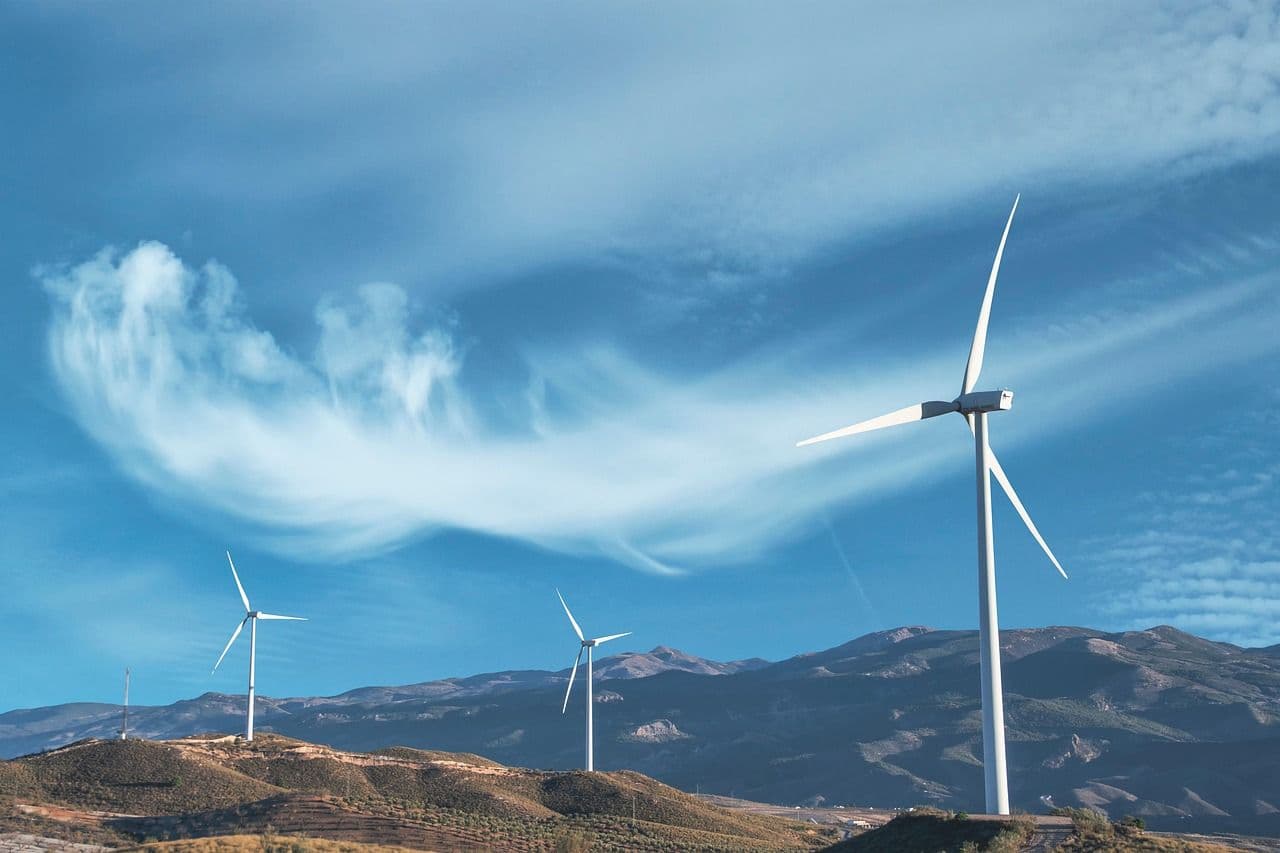
Software carbon emissions were an afterthought until AI changed the math. A single GPT-4 class model training run consumes an estimated 50 GWh of electricity. Inference at scale adds to this continuously. Data centers now consume roughly 2-3% of global electricity, with AI workloads growing fastest. This is not an environmental talking point — it is an operational cost that shows up on cloud bills and increasingly in regulatory reporting requirements.
The Software Carbon Intensity Framework
The Green Software Foundation's Software Carbon Intensity (SCI) specification provides a standardized way to measure software carbon emissions. The formula: SCI = ((E * I) + M) / R, where E is energy consumed, I is the carbon intensity of the electricity grid, M is the embodied carbon of the hardware, and R is the functional unit (per request, per user, per transaction).
The SCI framework makes carbon optimization actionable because it identifies the three levers engineers can pull: reduce energy consumption (more efficient code and algorithms), reduce carbon intensity (choose cloud regions powered by renewable energy), and reduce embodied carbon (use hardware more efficiently, extend hardware lifetimes).
Practical Carbon Reduction for AI Systems
Reducing AI Carbon Footprint
Use the smallest model that meets your quality requirements. Route simple queries to smaller models and only escalate to larger models for complex tasks. This model routing pattern reduces energy per query by 5-20x for the traffic that hits the smaller model.
Cloud providers publish the carbon intensity of each region. Running inference in a region powered by hydroelectric or wind energy can reduce carbon emissions by 50-80% compared to a coal-heavy grid, with identical performance.
Cache responses for semantically similar queries. If 30% of your queries are variations of the same question, caching eliminates 30% of your inference energy. The cache lookup energy is negligible compared to model inference.
Schedule non-real-time workloads (training, batch inference, embedding generation) during periods when the grid has high renewable energy availability. Some cloud providers offer carbon-aware scheduling APIs.
INT8 or INT4 quantization reduces model size, inference time, and energy consumption with minimal quality impact. This is the single easiest optimization most teams can make.
| Optimization | Effort | Carbon Reduction | Performance Impact |
|---|---|---|---|
| Model routing (small + large) | Medium | 40-70% | None if routing is correct |
| Green cloud regions | Low | 30-80% | Possible latency change |
| Semantic caching | Medium | 20-40% | Improved latency for cached |
| INT8 quantization | Low | 25-50% | Minimal quality loss |
| Batch scheduling (off-peak) | Low | 10-30% | Increased processing latency |
Regulatory Landscape
The EU Corporate Sustainability Reporting Directive (CSRD) requires companies to report Scope 1, 2, and 3 emissions, which includes cloud computing and AI infrastructure. SEC climate disclosure rules, while evolving, are moving in the same direction. For companies deploying AI at scale, software carbon emissions are becoming a compliance reporting requirement, not a voluntary initiative.
Cloud providers are responding by improving carbon reporting tools. Google Cloud provides per-project carbon emissions data. AWS offers the Carbon Footprint Tool. Azure provides emissions impact dashboards. These tools make SCI calculation practical for teams that previously had no visibility into their software carbon footprint.
“The most sustainable line of code is the one you do not write. The second most sustainable is the one that runs on the smallest model, in the greenest region, with the most efficient algorithm.”
Need this kind of thinking applied to your product?
We build AI agents, full-stack platforms, and engineering systems. Same depth, applied to your problem.
Enjoyed this? Get the weekly digest.
Research highlights and AI news, delivered every Thursday. No spam.