 Fordel Studios
Using Machine Learning to Aid Survivors and Race through Time
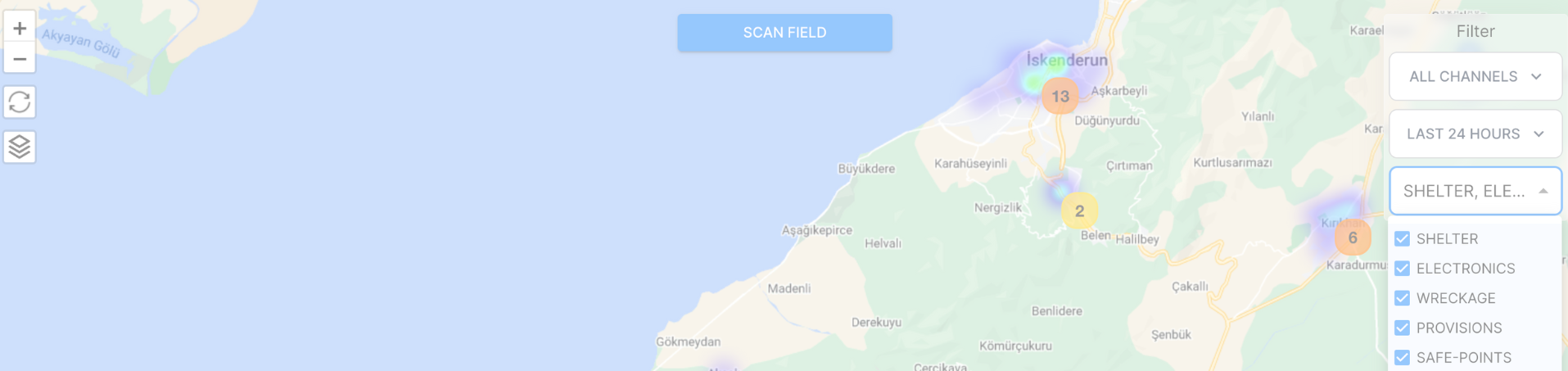
What Happened
Using Machine Learning to Aid Survivors and Race through Time
Fordel's Take
Researchers are applying ML to identify disaster survivors and reconstruct historical timelines from fragmented, degraded records — tasks that standard NLP pipelines weren't designed for.
Most RAG implementations assume clean, structured input. Degraded documents and incomplete survivor records break standard chunking strategies. Embedding noisy scanned text into Pinecone without preprocessing is storing garbage — and most teams building archival tools are doing exactly that. GPT-4o Vision is outperforming classic Tesseract pipelines on this document class by a measurable margin.
Teams building humanitarian or archival AI tools need to fix OCR quality before touching their vector store. Teams building standard SaaS RAG can ignore this entirely.
What To Do
Use GPT-4o Vision for OCR preprocessing instead of Tesseract before ingesting degraded documents into your RAG pipeline, because noisy embeddings poison retrieval quality at the source.
Cited By
React
Get the weekly AI digest
The stories that matter, with a builder's perspective. Every Thursday.