The Problem
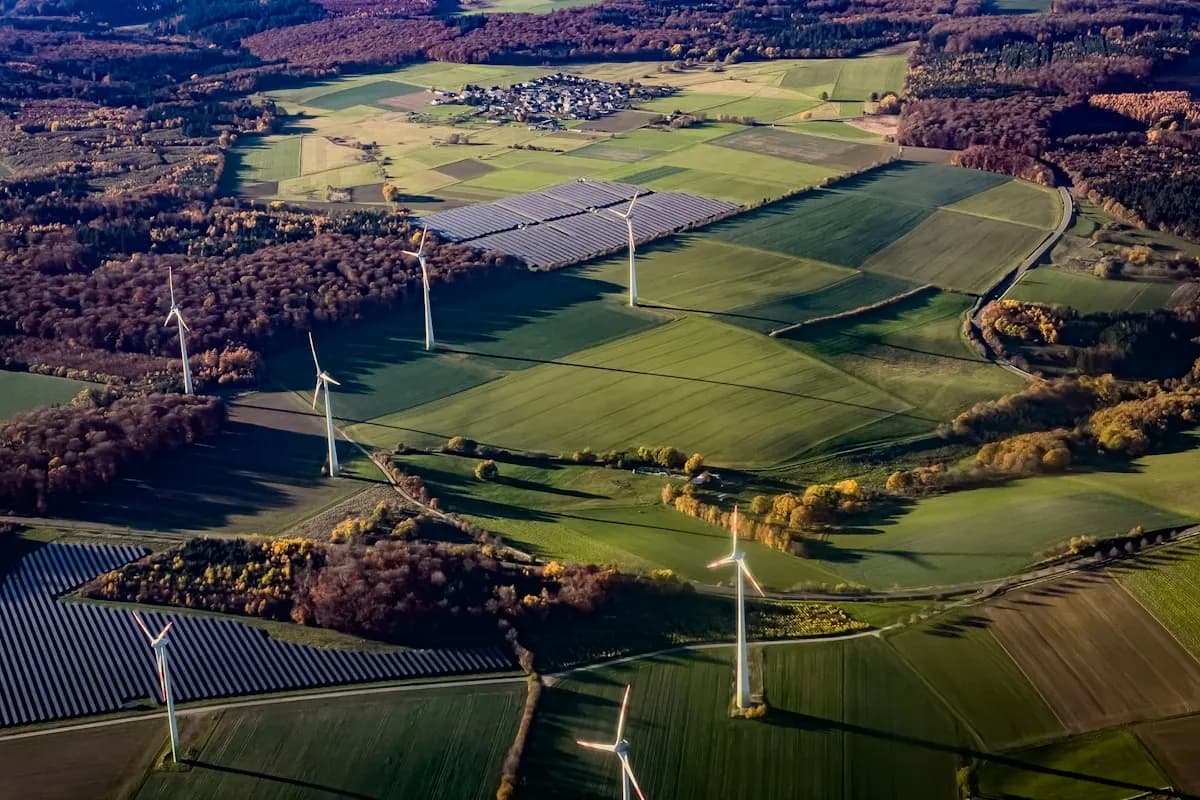
The energy grid is undergoing structural transformation. Renewable generation (solar and wind) is variable and not fully dispatchable. Distributed energy resources — rooftop solar, behind-the-meter storage, EV charging, smart HVAC, industrial demand response — are proliferating faster than grid operators can manage them manually.
The optimization problem is computationally intensive and time-sensitive. A distribution system operator managing hundreds of distributed resources needs to make dispatch decisions in minutes or seconds to respond to frequency deviations, renewable curtailment events, and real-time price signals. Manual dispatch is not feasible at this scale or speed.
AutoGrid's research on demand response optimization shows that AI-managed demand response portfolios achieve 15–30% higher capacity payments than manually managed equivalents, primarily because AI can respond in seconds and optimize across the full portfolio simultaneously. Stem Inc's Athena platform data for battery storage shows 10–20% improvement in economic dispatch value compared to rule-based storage management.
The Solution
The Energy Grid Optimization Agent manages the dispatch of distributed energy resources — storage systems, flexible loads, and dispatchable generation — to optimize for configured objectives: cost minimization, demand charge avoidance, real-time price arbitrage, and ancillary services participation.
The agent continuously monitors grid conditions, real-time energy prices, weather and solar/wind forecasts, and the state of managed resources. It optimizes dispatch decisions across the portfolio in real time, executing dispatch commands within seconds of the conditions that trigger them.
For demand response programs, the agent manages curtailment events: receiving utility signals, dispatching load reduction across enrolled customers, verifying response, and calculating performance for settlement. For storage systems, it optimizes charge and discharge scheduling against price forecasts and demand charge windows.
How It's Built
A real-time telemetry ingestion layer (Go, Kafka) processes device telemetry from BMS, smart inverters, BMS/EMS systems, and smart meters via Modbus, BACnet, and REST APIs. An optimization engine runs mixed-integer programming (or reinforcement learning for continuous action spaces) to produce dispatch schedules against the configured objective function. A demand response orchestration module implements OpenADR 2.0 for utility signal receipt and device dispatch. Forecast integration pulls weather data and market price forecasts to inform look-ahead optimization. All dispatch commands are logged with the optimization inputs, outputs, and device responses.