The Feature Prioritization Framework We Use With Every Client
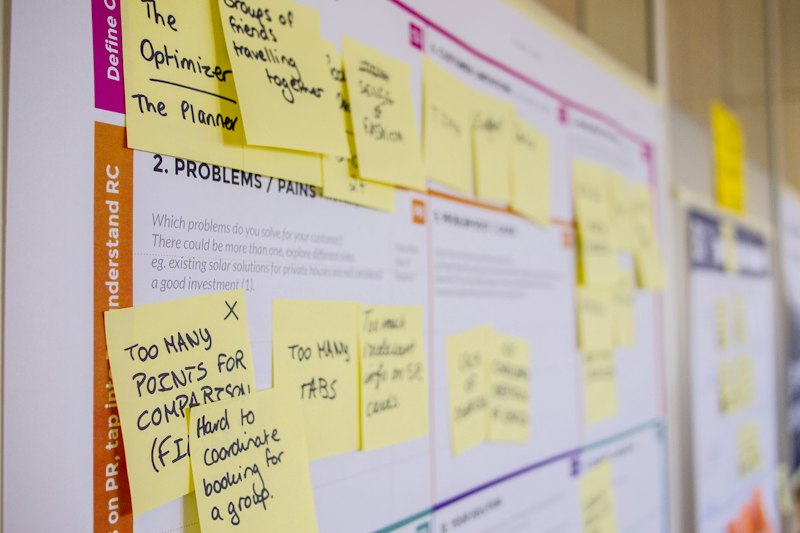
The most common state of a client's feature backlog when we start: 47 items in a Notion table with no clear priority, three items marked "critical" that were added six months ago and never started, and a founder who says everything is important. This is not a roadmap. It is a wish list with no decision framework.
Every proposed feature gets scored on four dimensions, each 1-5. Revenue Impact: from "no measurable effect" (1) to "opens a new revenue stream" (5). When a client says a feature will "increase engagement," we push: how does that become revenue? What is the dollar amount of the delta? Most features that seem important become less so when you attach numbers.
User Demand: from "nobody has asked" (1) to "users are leaving because of its absence" (5). We validate with data, not opinions. "Our sales team says customers want X" scores 2 at best without tickets, surveys, or churn conversations to back it up.
Effort is inverse-scored because we bias toward smaller wins: under 8 hours scores 5, over 160 hours scores 1. We estimate in hours, not story points. Includes development, testing, review, deployment, and documentation. We add a 30% buffer because we have never seen a project come in under estimate.
Strategic Alignment: from "tangential to core value" (1) to "directly advances primary differentiator" (5). This prevents feature creep toward mediocrity. A project management tool does not need built-in chat.
Total score ranges from 4 to 20. We rank features, draw a line based on available capacity. Above the line gets built this quarter. Below 8 gets removed from the backlog entirely because it is not worth tracking.
The framework's real value is the conversation it forces. When a founder insists Feature X is critical, we score it together. Often they realize mid-scoring that it ranks below the feature they were ignoring.
We re-score quarterly because priorities shift. If your backlog has more than 20 items, you do not have a prioritization problem. You have a decision-avoidance problem. Score everything, cut ruthlessly, build the 3-5 things that score highest.
About the Author
Fordel Studios
AI-native app development for startups and growing teams. 14+ years of experience shipping production software.
Related Articles

The Art of Saying No to Feature Requests (Without Losing the Client)
The best feature you can ship is the one you decide not to build. Here is how we say no to client feature requests while maintaining trust and demonstrating product thinking.

Metrics That Matter: What Engineering Teams Should Actually Measure
Lines of code, story points, and velocity are vanity metrics. Here are the measurements that actually correlate with engineering team health and product success.

Product-Led Growth Engineering: The Technical Decisions That Drive Adoption
Product-led growth is a go-to-market strategy, but it succeeds or fails based on engineering decisions. Here are the technical patterns that drive self-serve adoption.
Want to discuss this further?
We love talking shop. If this article resonated, let's connect.
Start a ConversationReady to build
something real?
Tell us about your project. We'll give you honest feedback on scope, timeline, and whether we're the right fit.
Start a Conversation